

Having a balcony is like having your very own outdoor castle. You can grow beautiful flowers, plant a mini vegetable garden, read your favorite books, or just sit outside and drink a cup of juice. But sometimes, balconies have two big problems: people can see right onto them so you have no privacy, and all the water and dirt from your plants can make a total mess of the floor!
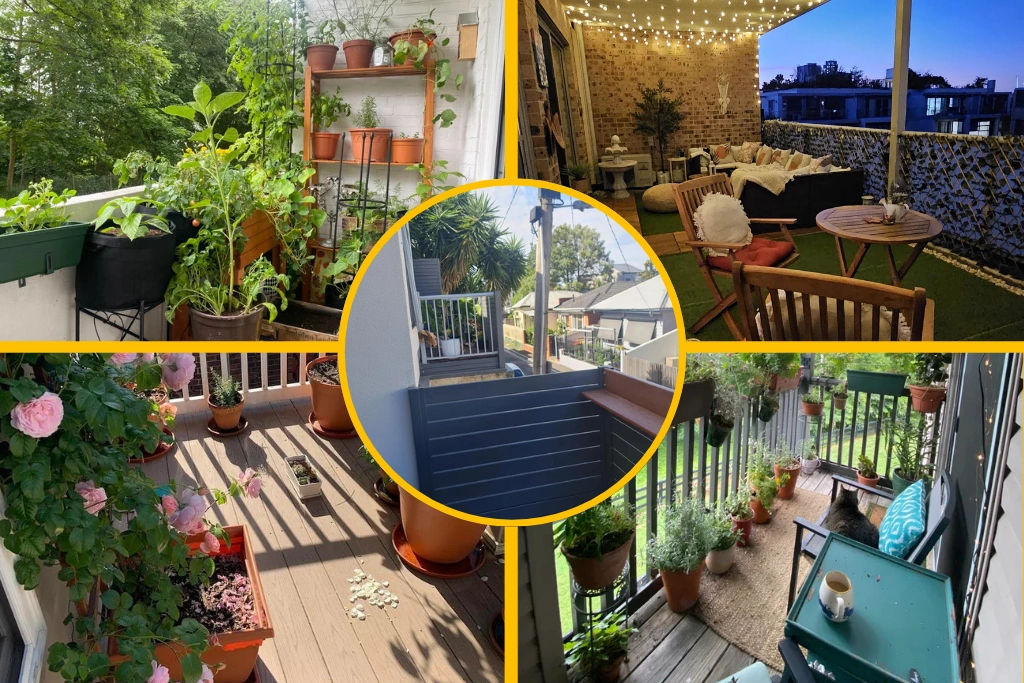
If you want to build a private, green paradise using tall plants, hanging pots, and wooden privacy screens, you have to protect your balcony floor first. In this guide, we will learn how to build the perfect private balcony while keeping the floor safe, clean, and dry.
Floor protector for balcony privacy
When we look at beautiful balconies, they are often packed with potted plants, hanging wooden pallets, and lovely green grass mats. But behind all that beauty is a secret story of ideas, problems, solutions, and helpful advice.
The Idea: A Secret Garden in the Sky
The goal is to turn a plain, open balcony into a cozy, private hideaway. By using tall wooden lattices, hanging pots, wooden shelves, and artificial grass, you can block the view from the street or neighbors. This turns your balcony into a secret outdoor living room!
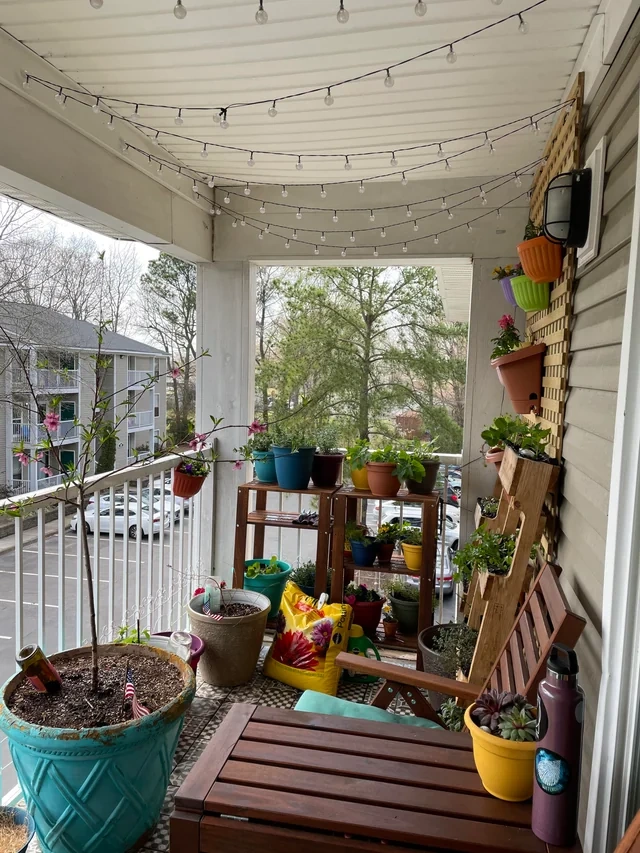
The Problem: Water and Dirt Are Secret Enemies
When you water your plants to keep them happy, the extra water has to go somewhere. If it drips straight onto the wood or concrete balcony floor, it can cause major issues:
Stains: Muddy water leaves ugly brown rings on the floor.
Wood Rot: Constant moisture can ruin wooden balcony tiles or decking.
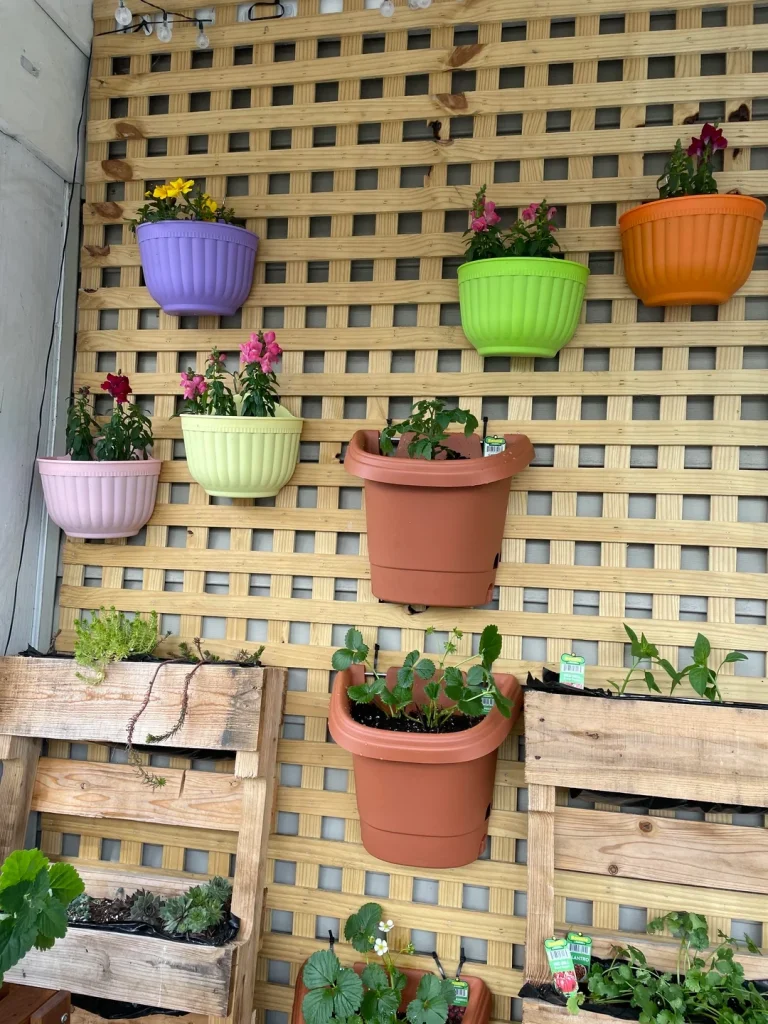
Neighbor Trouble: Water dripping through the cracks of your balcony floor might rain down on the neighbors living below you!
Mold: Trapped water under large pots or heavy mats can make smelly mold grow.
The Solution: Smart Floor Protectors
To solve these problems, you need to use floor protectors. These are clever shields that sit between your dirty, wet plants and your clean, dry balcony floor.
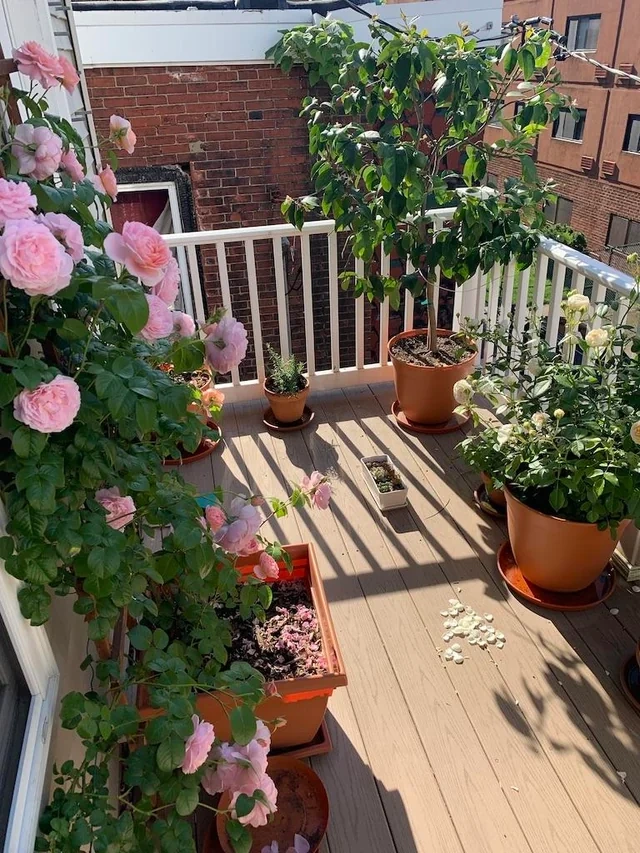
Plastic Saucers: Always put a plastic tray or saucer under every single pot. These catch the extra water before it ever touches the floor.
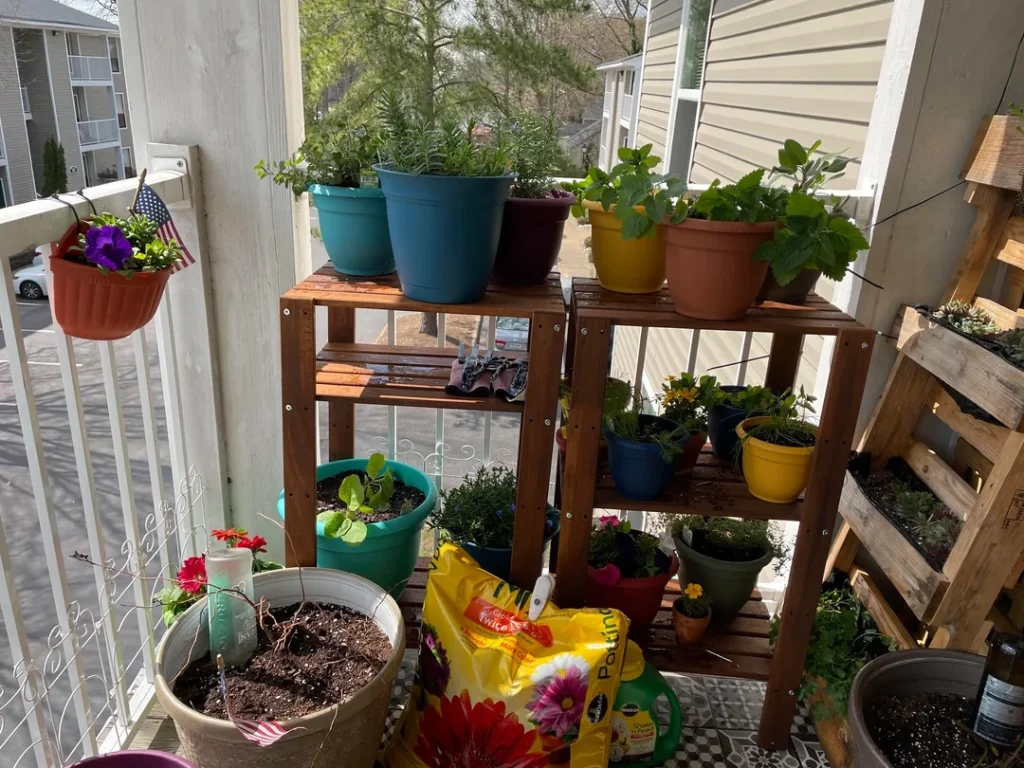
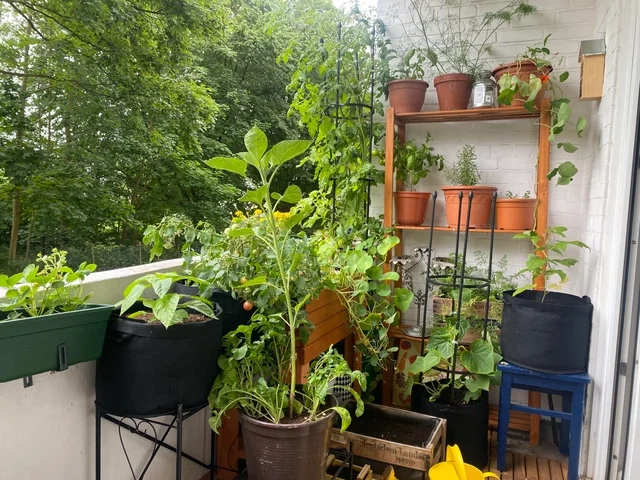
Plant Stands with Drip Trays: Elevating your plants on wooden or metal shelves keeps them off the ground. This allows air to circulate underneath, preventing mold.
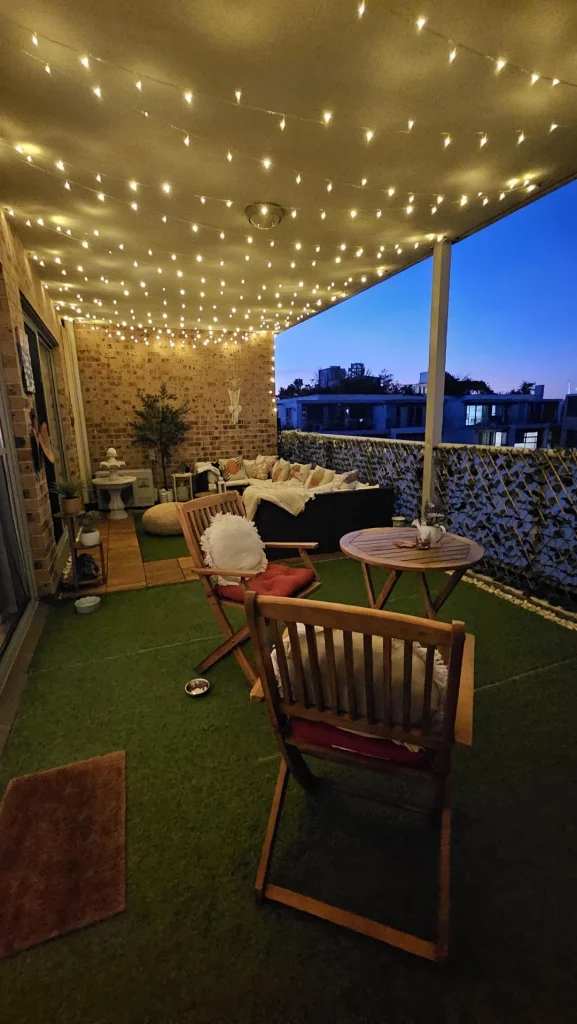
Waterproof Mats and Outdoor Rugs: Laying down a waterproof outdoor rug or artificial grass creates a protective barrier over the entire floor.
Pot Feet: Small rubber or plastic wedges called “pot feet” lift heavy pots just a tiny bit off the ground so water doesn’t get trapped beneath them.
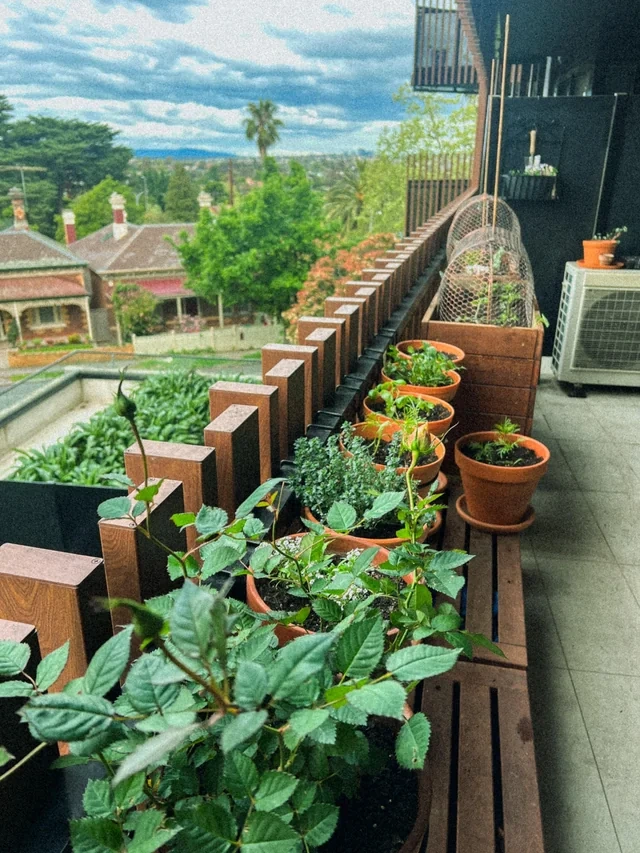
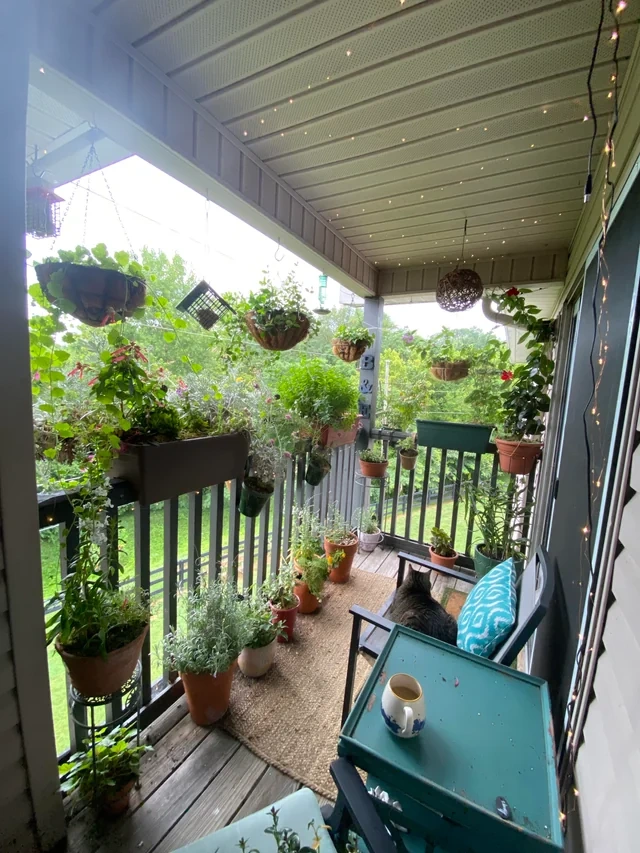
Helpful Advice for a floor protector for balcony privacy
If you are planning to build a balcony privacy screen with lots of plants, always plan your flooring protector before you buy the plants. It is much easier to lay down a protective mat or set up pot saucers first rather than trying to lift giant, heavy pots later!
How much money would you save if someone else did this work
If you hired a professional contractor or landscaper to design, buy, and install your balcony privacy screens, plants, and floor protection, it could cost you a lot of money!
Professionals charge high fees for their time and labor. A simple balcony setup done by a company could easily cost between $500 and $1,500.
By doing this work yourself as a fun family DIY project, you only have to pay for the materials. You can save hundreds of dollars! Plus, you get the pride of knowing you built your private oasis with your own two hands.
Required materials to make a floor protector for balcony privacy
To protect your floor and build your private balcony, you will need a few simple supplies. You can find these at any local garden center or hardware store:
Heavy-Duty Plastic Saucers: To place under every potted plant to catch excess water.
Pot Feet: Little rubber, plastic, or clay risers to lift your pots.
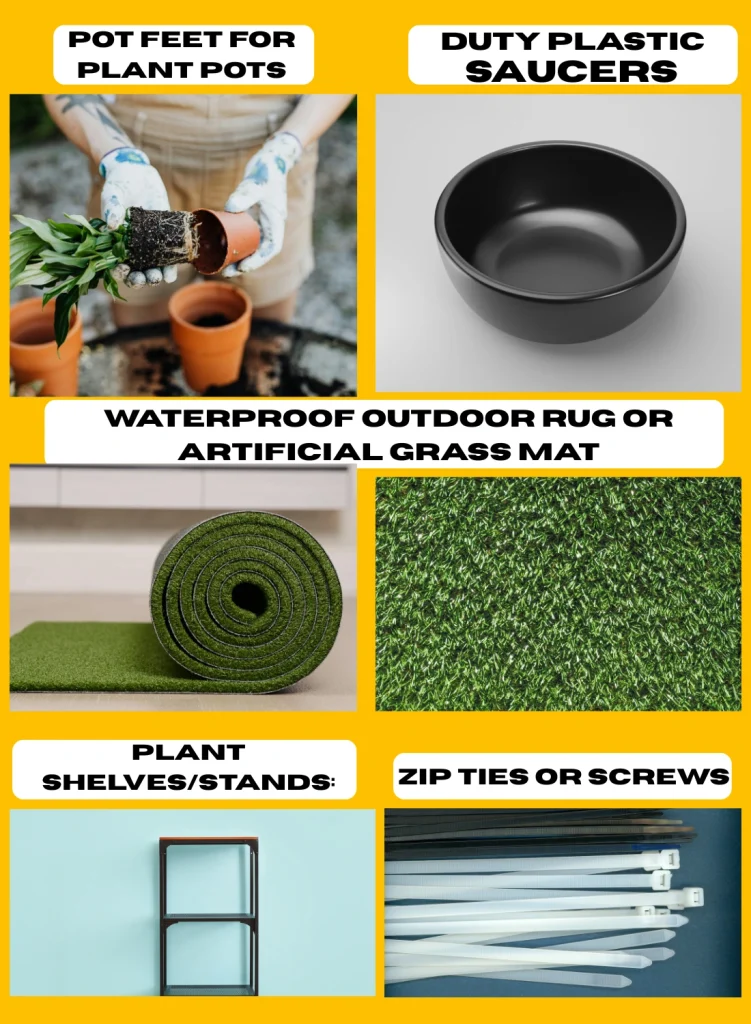
Waterproof Outdoor Rug or Artificial Grass Mat: To act as a giant shield for the floor.
Plant Shelves/Stands: Multi-tier wooden or metal racks to hold plants vertically.
Zip Ties or Screws: To secure privacy screens or wooden lattices to your balcony railing safely.
Coir Matting or Weed Barrier Fabric: To line wooden crates and prevent soil from washing out.
Important Note: Always check your apartment or condo building’s rules before attaching anything to your balcony railings. Some buildings do not allow you to screw items into the walls, so using zip ties is a great, damage-free alternative!
FAQ for floor protectors for balcony privacy
Why does my balcony floor need protection?
Balcony floors made of wood or concrete can absorb water. Over time, trapped water causes wood to rot, concrete to crack, and mold to grow. Floor protectors keep your balcony safe, dry, and clean.
What is the easiest way to get privacy on a balcony?
The easiest way is to use a wooden lattice screen or a faux-ivy privacy fence. You can attach these directly to your existing balcony railing using strong plastic zip ties. Then, place tall plants or hanging pots in front of them to block the view.
Is it okay to put a regular indoor rug on a balcony?
No, regular indoor rugs are like giant sponges. They will soak up rainwater, stay wet for days, and ruin your balcony floor. Always use rugs labeled “outdoor waterproof” or “all-weather.”
How do I stop water from dripping onto my neighbors below?
Make sure every single pot has a deep saucer underneath it. When you water your plants, do it slowly so the water doesn’t overflow the saucer. You can also use a turkey baster to suck up any extra water that pools in the saucers after watering!