

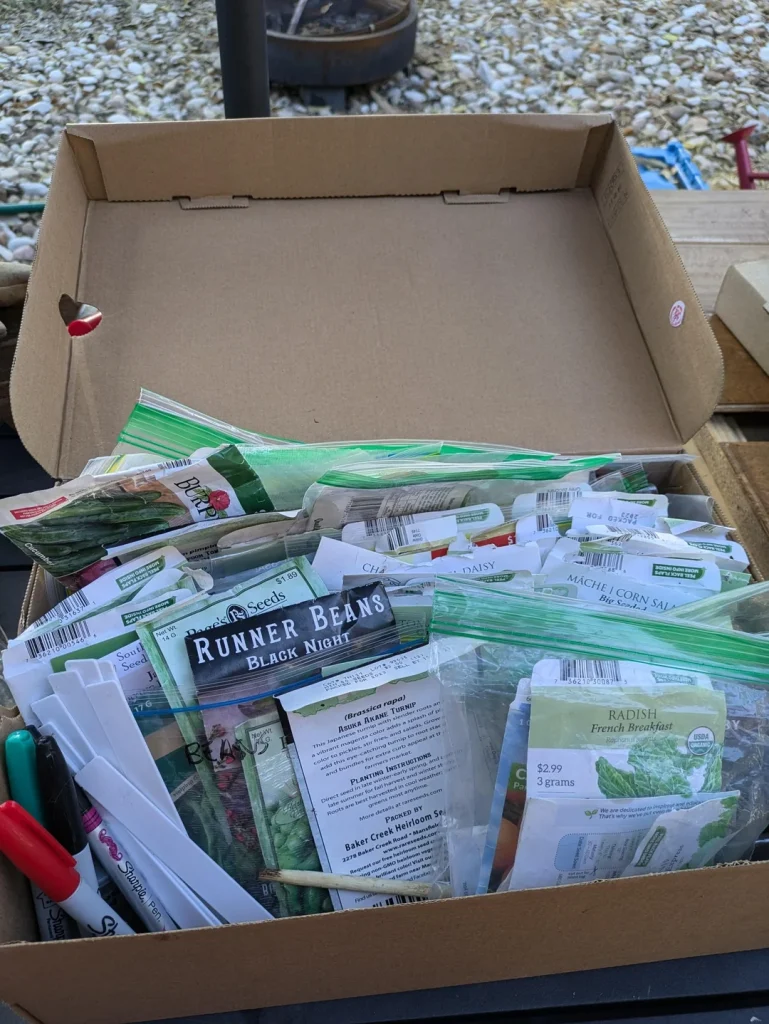
Maybe you bought juicy tomato seeds, crunchy radishes, and sweet corn last year. But when spring comes back, you cannot find the carrots! Or worse, your seeds got wet, squished, or ruined because they were thrown into a cardboard box full of plastic bags and loose markers.
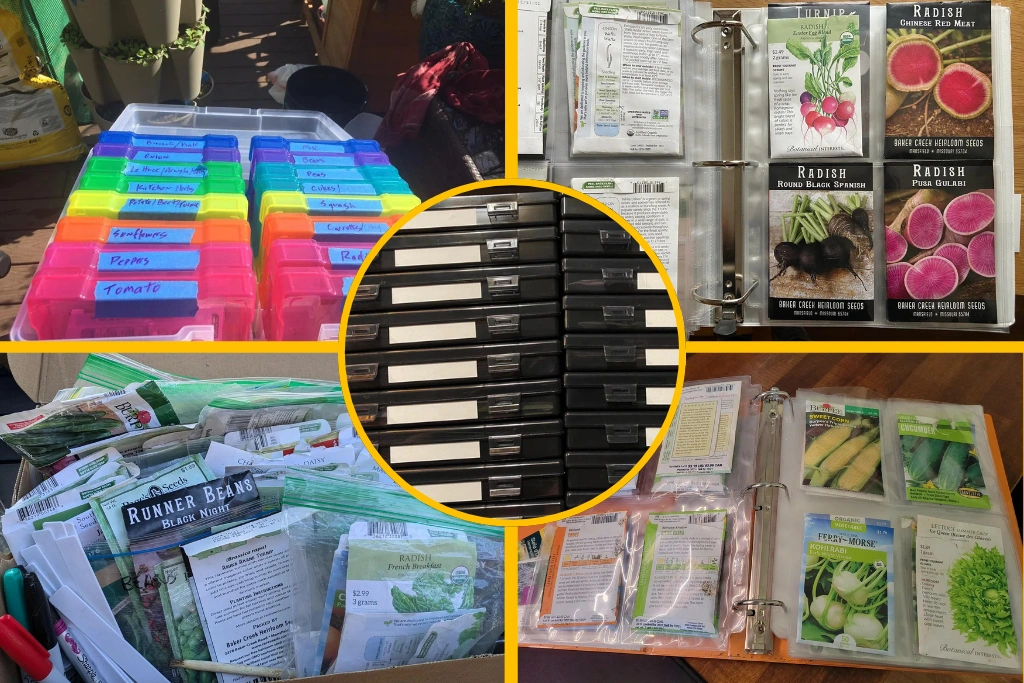
Organizing seeds might seem like a giant project, but once you set up a smart system, planting your garden becomes as easy as playing a game! Let’s explore why seeds need a good home, how to build your own seed storage setup, and how to keep those little plant packages fresh and happy for years.
When people first start gardening, they usually buy just a few packets of seeds at a time. At first, everything seems neat. But after a couple of seasons, seed packets end up everywhere.
Seed packets often end up crumpled at the bottom of garden totes, making them difficult to organize and use.
Moisture gets into open packets, making seeds go moldy.
You end up buying the same vegetable seeds twice because you couldn’t find the first packet!
The Idea: Smart Storage Systems
Instead of keeping everything in a messy shoebox, smart gardeners use dedicated organizational tools:
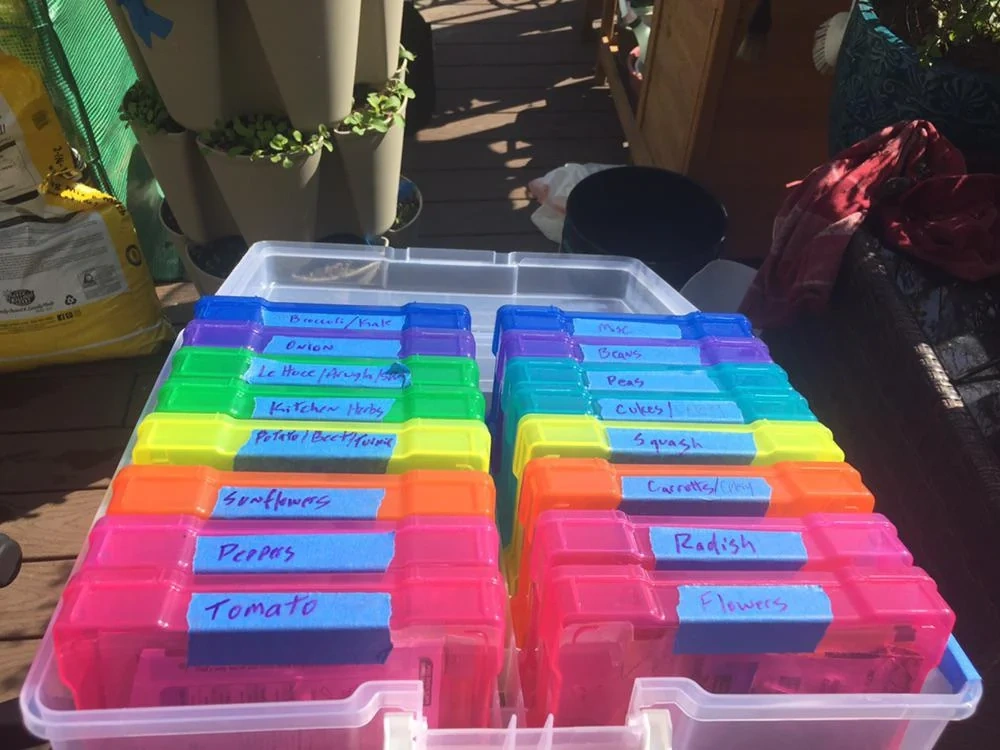
Photo Organizer Cases: Plastic carrying boxes filled with small, individual 4×6 photo cases. Each mini case gets its own category label, like tomato, peppers, radish, or flowers.
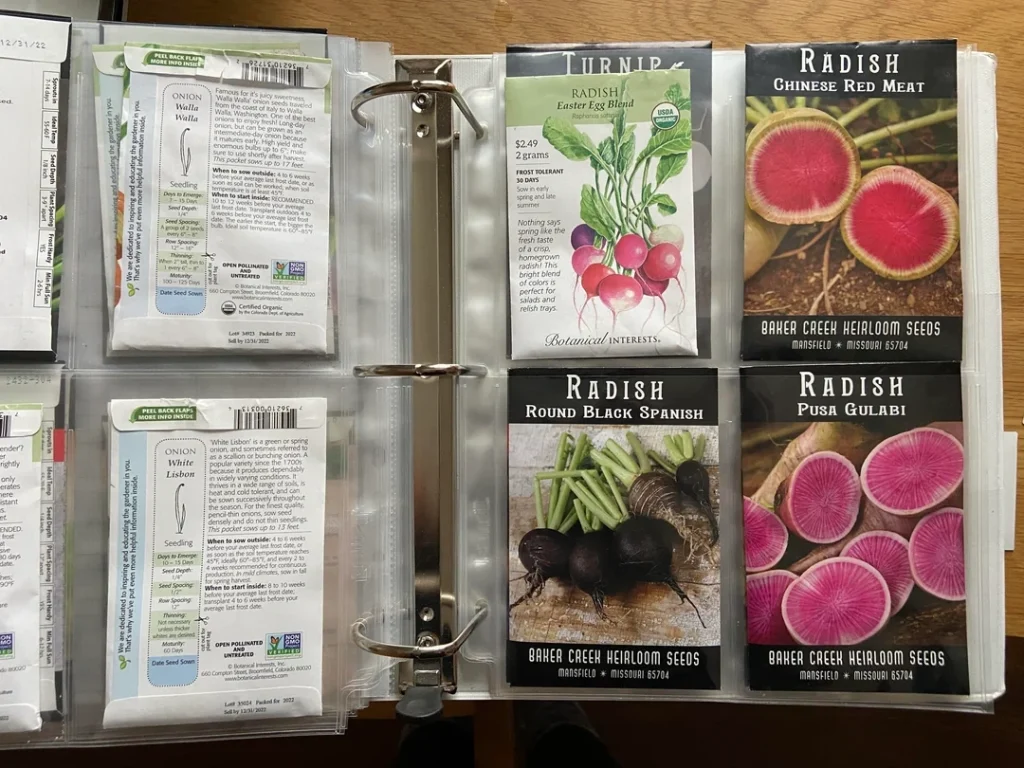
Seed Binders: A standard 3-ring binder fitted with clear plastic trading card sleeves or photo sleeves. You can slide your seed packets right into the pockets and flip through them like a book!
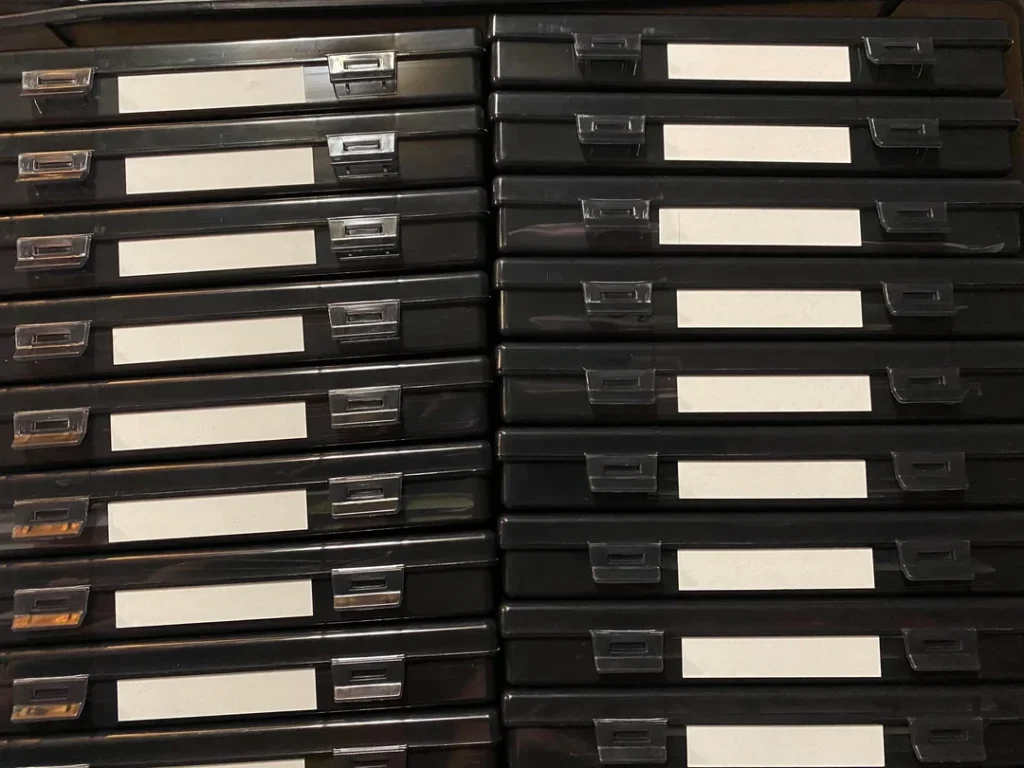
Stackable Label Boxes: Hard plastic, dark or clear drawers stacked neatly, keeping seed packets completely flat and organized.
Think about how much money you would save if someone else did this work. Imagine hiring a professional home organizer to spend hours sorting your seeds, labeling little boxes, arranging them by plant family, and buying fancy supplies. That could easily cost hundreds of dollars!
By spending just one rainy afternoon organizing your seeds yourself using basic supplies, you save all that money. Even better, you save money every single spring because you won’t accidentally re-buy seeds you already own!
Required Materials for Storing and Organizing Garden Seeds
You don’t need expensive equipment to build a great seed organizer. Here are the simple materials you can collect:
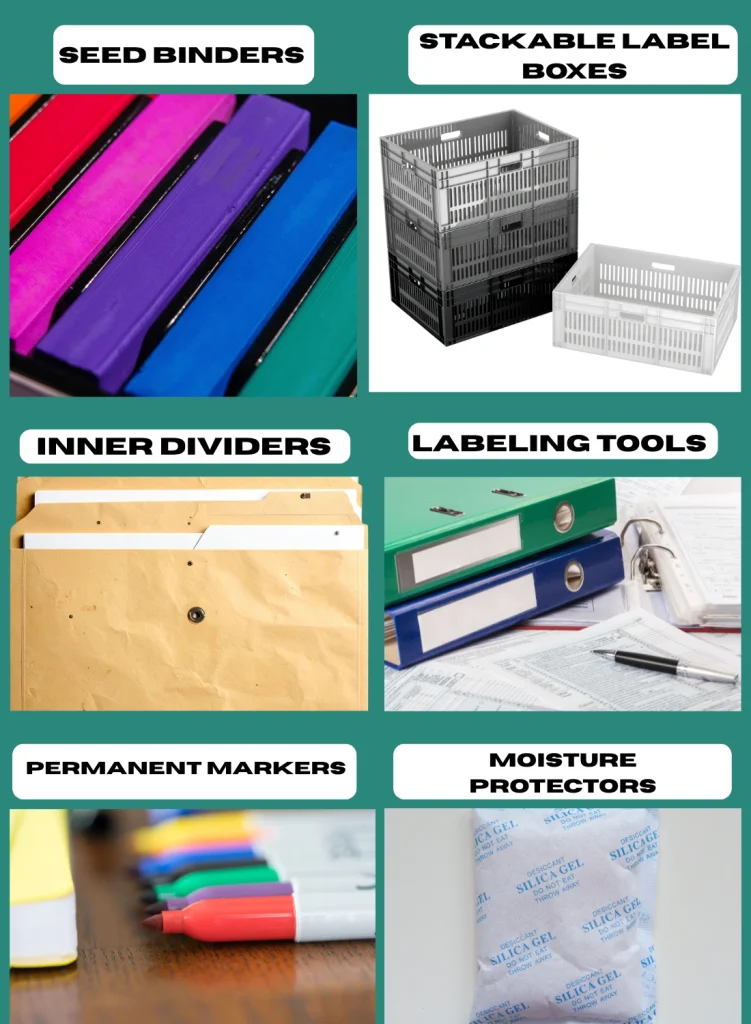
Outer Container: A large plastic storage tote, a photo craft storage box, or a sturdy 3-ring binder.
Inner Dividers: Clear plastic 4×6 photo sleeves, trading card sleeves, or small individual plastic snap cases.
Labeling Tools: Masking tape, painter’s tape, or a label maker.
Permanent Markers: Waterproof markers, like Sharpies, for writing plant types and dates clearly.
Moisture Protectors: Silica gel packets are those tiny packets found in shoe boxes that absorb moisture.
How to Store Garden Seeds for Maximum Freshness??
Seeds are alive! They are just taking a long nap until you put them in warm, moist dirt. To keep seeds sleeping peacefully until spring, you must protect them from their three main enemies: heat, moisture, and light.
Here is how to maximize their freshness step-by-step:
- Keep Them Cool and Dark
Store your seed containers in a room that stays cool and dark all year long.A closet, a cool bedroom drawer, or a dark basement shelf are all excellent places to store your seeds. Never leave seed packets sitting in direct sunlight or out in a hot garden shed!
- Keep Them Dry
Moisture causes seeds to wake up early or grow fuzzy mold inside the packet. Always seal opened seed packets tightly. Place a tiny silica gel packet inside your storage box or binder pocket to absorb excess moisture.
- Label Everything by Date and Type
Seeds don’t last forever. Lettuce and onion seeds like to be planted within 1 to 2 years, while cucumber, radish, and tomato seeds can stay fresh for 4 to 5 years!
Write the year purchased on the back of every packet.
- Group seeds by plant family putting all your root veggies like carrots and radishes together, and all your vine plants like cucumbers and squash together.
Pro Tip: Smart Storage Systems
If you aren’t sure if old seeds are still good, do a quick “towel test”! Put 5 test seeds on a damp paper towel, seal it inside a zip bag, and wait a week. If 3 or 4 sprout, your seeds are still good to plant!
FAQ: Smart Storage Systems
Can I keep my seeds in the refrigerator or freezer?
Yes! You can store seeds in the fridge or freezer to make them last even longer. However, you must keep them in a completely airtight glass jar or hard plastic container so moisture doesn’t sneak in.
How long do garden seeds stay good?
Most seeds last between 2 and 5 years if kept in a cool, dry, and dark place.
What is the cheapest way to organize seed packets?
A standard 3-ring binder with clear trading card sleeves is super cheap and easy! You can see the front and back of every seed packet without taking them out.
Why do my seed packets get wet and stick together?
This happens when seeds are left outside in high humidity or touched with wet gardening hands. Always dry your hands before touching seed packets, and store them in water-resistant plastic snap cases or totes.